22 Oct 2026
Piecing Together the Narrative Arc of a Growing Subculture Through Primary Documents
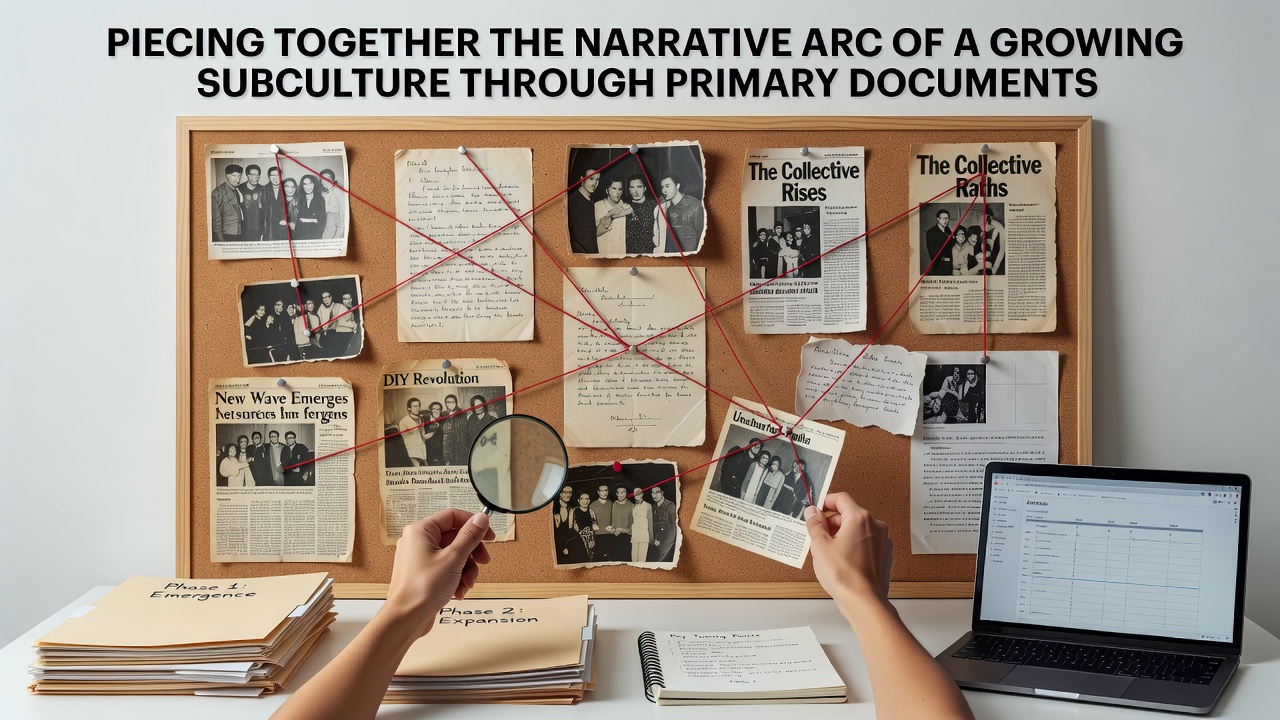
Researchers and historians often trace the development of emerging subcultures by examining letters, diaries, forum posts, zines, and digital archives that capture unfiltered voices from participants themselves, and these materials reveal how communities form shared identities over time. Primary documents serve as direct evidence because they record events and ideas as they unfold rather than through later interpretations, which allows analysts to map the progression from initial sparks of interest to established practices and norms within a group.
Collecting and Organizing Source Materials
Archivists begin the process by identifying repositories that hold relevant items, such as university special collections, national libraries, and community-maintained digital platforms, while cross-referencing dates and locations to build chronological sequences. They categorize entries by theme, authorship, and medium so patterns become visible across multiple contributors, and this systematic approach helps distinguish core narratives from peripheral anecdotes that might otherwise obscure the main arc. Digital tools now assist in scanning and indexing large volumes of material, which speeds up the identification of recurring motifs like slang terms or ritual behaviors that mark subcultural milestones.
Case Examples from Documented Communities
One study of early internet-based hobbyist groups drew on Usenet archives and personal correspondence to show how enthusiasts moved from isolated experiments to coordinated online events between 1995 and 2005, and the documents illustrated shifts in language that signaled growing cohesion. Another project focused on physical zines produced by urban exploration enthusiasts in the 2000s, where handwritten notes and photographs documented evolving safety protocols and ethical debates that shaped the group's public image over successive years. Observers note that these records often contain contradictions, yet those inconsistencies themselves become data points when researchers compare accounts from different members to understand internal tensions that drove further evolution.
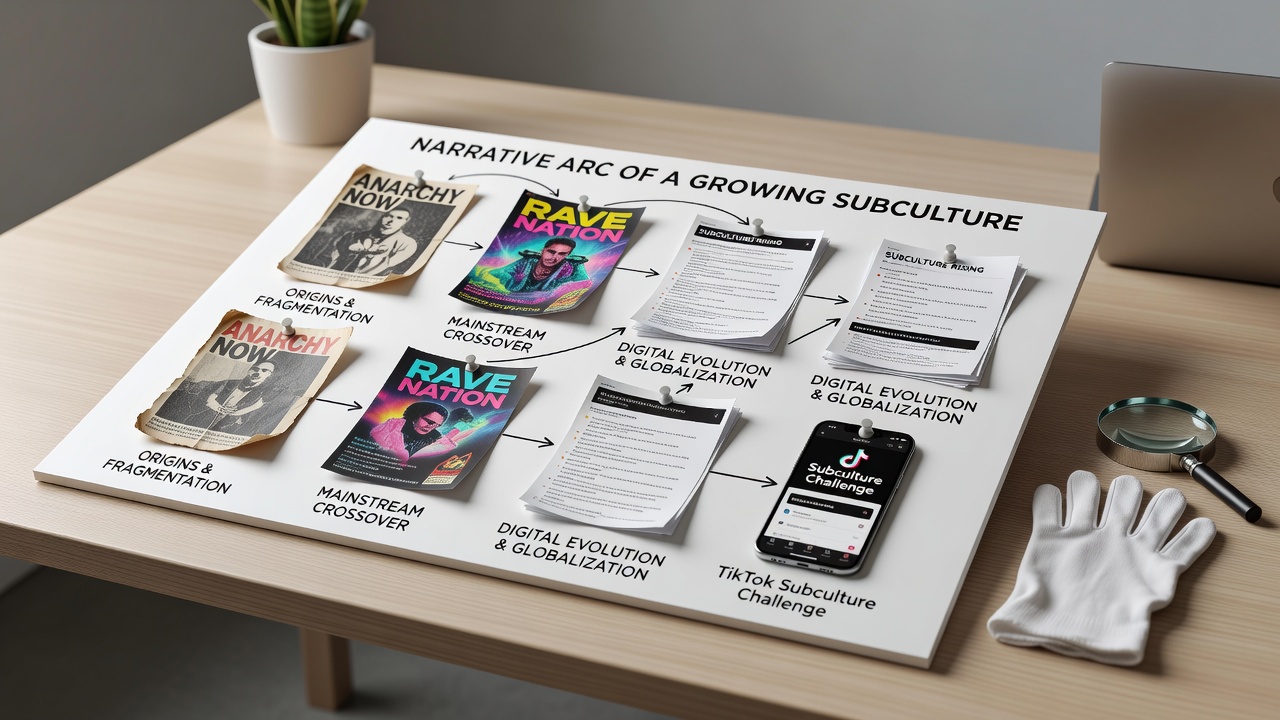
Challenges in Interpretation and Verification
Primary documents rarely arrive complete or in perfect condition, so analysts must account for gaps caused by lost correspondence or deleted posts while seeking corroboration from multiple independent sources. They weigh the reliability of each item by considering the creator's position within the subculture and any evident motives for selective reporting, and cross-checks against contemporaneous news reports or official records help confirm timelines. In October 2026 several European institutions released newly digitized collections of activist correspondence from the prior decade, which gave researchers fresh material to test earlier hypotheses about how protest movements adapted communication strategies during periods of heightened surveillance.
Digital Preservation and Access Expansion
Organizations such as the Library of Congress digital collections have expanded public access to scanned ephemera from various grassroots movements, and similar efforts by Europeana in the European Union now include community-contributed oral histories that supplement written records. These platforms allow distant researchers to compare documents side by side without physical travel, which accelerates the identification of transnational influences on local subcultures. Data from these repositories indicate steady growth in user queries for subculture-related holdings since 2020, reflecting increased academic and public interest in bottom-up historical accounts.
Future Directions for Narrative Reconstruction
Advances in natural language processing enable faster thematic mapping across thousands of documents, yet human oversight remains essential to preserve context and nuance that algorithms might overlook. Collaborative projects between universities and community archives continue to surface previously private materials, and these additions frequently revise accepted timelines by revealing earlier origins or overlooked branches within a subculture's development. The ongoing work demonstrates that primary documents retain their value as the most direct route to understanding how groups construct shared stories and adapt them in response to external pressures or internal debates.
Conclusion
Primary documents provide the raw material for constructing accurate narratives of subcultural growth because they capture participant perspectives at the moment of creation, and systematic analysis of these sources yields reliable chronologies even when individual items contain biases or omissions. Continued digitization and cross-institutional cooperation ensure that future researchers will have broader access to these foundational records, supporting more detailed reconstructions of how communities form and change over time.